
If you’ve ever struggled to figure out your Enneagram type because your behavior overlaps with other numbers, understanding your core motivations is the key.
Have you ever wondered why two people can do the exact same thing but feel totally different while doing it? That question is at the heart of the Enneagram.
This post is all about understanding why we do what we do — and how your motivation, not your behavior, reveals your true type.
Summary
- The Enneagram types you by motivation, not behavior.
- Two people can act the same but feel completely different internally.
- Misidentification happens when we focus on behavior instead of core desire, fear, and weakness.
- A real story (hi, Kathy!) shows how this plays out in real life.
- All nine core motivations are listed below for easy comparison.
You’re Not Your Behavior — Here’s Why That Matters
Before we dive into the motivations of all nine types, I want to share a story from a reader that stopped me in my tracks because it perfectly illustrates how behavior can mislead us.
The Hospital Story
Kathy’s close friend had been in an accident. Thankfully, she survived, but she faced a long hospital recovery. So Kathy and another friend (a Type Two) did what good friends do: they showed up. They sat by her bedside, offered comfort, and promised to return.
But beneath that shared act of kindness were two completely different emotional landscapes.
One Action, Two Completely Different Motivations
The Type Two Friend: “I’m Needed Here.”
From the moment she heard the news, the Type Two friend felt pulled toward the hospital. Being there felt like a homecoming.
This is exactly where I’m meant to be. Here, I am needed.
Her presence was an expression of love through helpfulness — the heartbeat of a Two.
Kathy, a Type Three: “This Is Hard… But I’m Here.”
Kathy, on the other hand, is a Type Three. And hospitals? Not her scene. The antiseptic smell, the mechanical beeping, the heaviness of it all… every part of it grated against her. She would have rather been anywhere else.
But she still showed up.
Not because she wanted to be there. Not because it felt good. But because she values being the kind of person who stands by the people she loves — even when it’s uncomfortable.
Same action. Different motivation.
And that is the heartbeat of the Enneagram.
Behavior is what the world sees. Motivation is what shapes who you are.
Why Motivation Matters More Than Behavior
You might be thinking: If they both did the right thing, why does the ‘why’ matter?
Because if you only look at behavior, you miss the truth beneath the surface.
So many Enneagram types share similar behaviors, which is why mistyping is incredibly common when you focus only on what you do instead of why you do it.
Kathy could’ve easily walked away thinking:
“Wow, I must be a bad friend. I didn’t want to be there the way she did.”
But that’s not the truth.
There was love on both sides. One friend expressed love through hands‑on helping. The other expressed love through commitment and follow‑through.
Both actions came from love — but the motivations were different.
Why Behavior Can Mislead You
The Enneagram doesn’t type you by behavior. It types you by motivation.
It’s why, for instance, Twos and Nines are so often mistyped! Because they may both appear helpful and self-sacrificing on the outside, but they’re coming from different places internally. If you’re only looking at the surface, you’ll get your type wrong… and miss the real opportunity for growth.
So… Why Do You Do What You Do?
This is the question the Enneagram invites us to sit with — not once, but often.
Are you helping because you want to feel needed? Are you achieving because success feels like worth? Are you withdrawing because calm feels safer than conflict?
So the next time you compare your response to someone else’s, especially when it looks like they’re “more caring” or “more capable,” pause and ask:
What’s my why?
The Core Motivations of All Nine Enneagram Types
Below is a simple breakdown of the core motivations of all nine Enneagram types, so you can compare them side‑by‑side.
Enneagram One Core Motivations
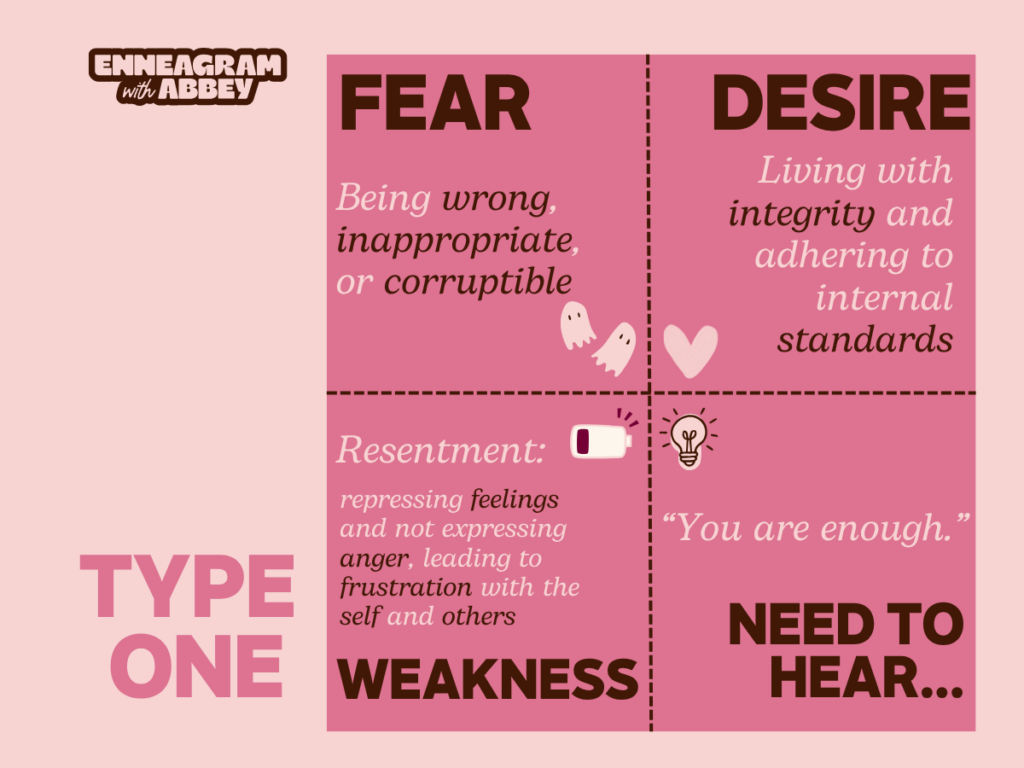
- Core Desire: Living with integrity and adhering to internal standards
- Core Fear: Being wrong, inappropriate, or corruptible
- Core Weakness: Resentment — repressing feelings and not expressing anger, leading to frustration with the self and others
Enneagram Two Core Motivations
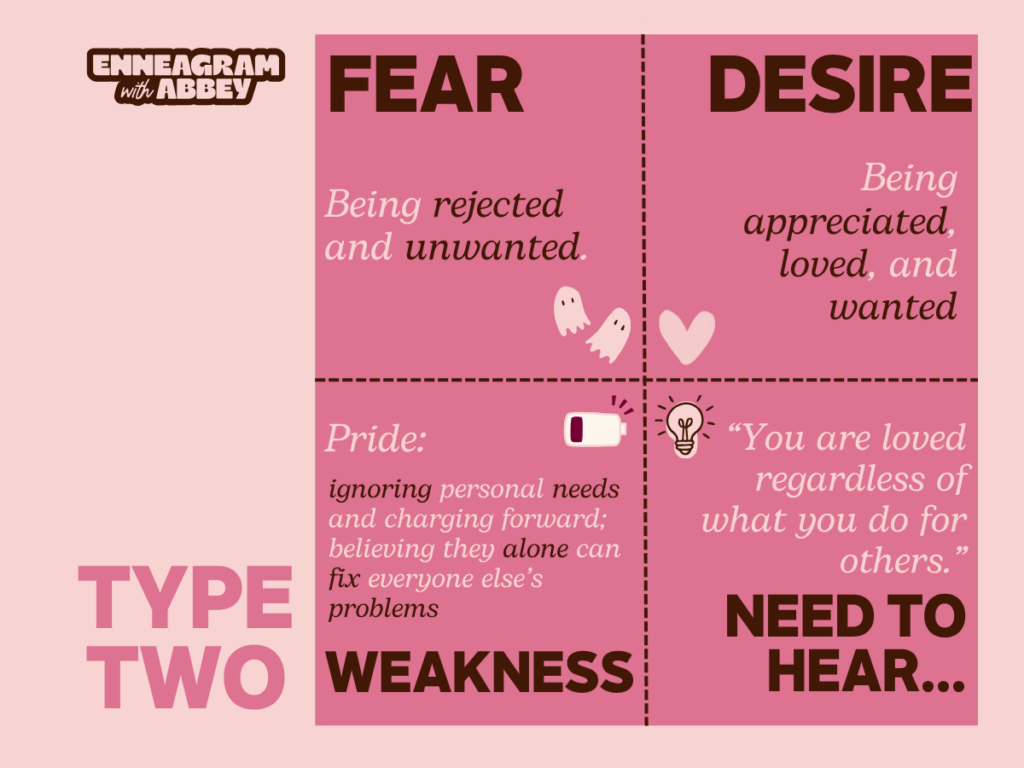
- Core Desire: Being appreciated, loved, and wanted
- Core Fear: Being rejected and unwanted
- Core Weakness: Pride — ignoring personal needs and charging forward; believing they alone can fix everyone else’s problems
Enneagram Three Core Motivations
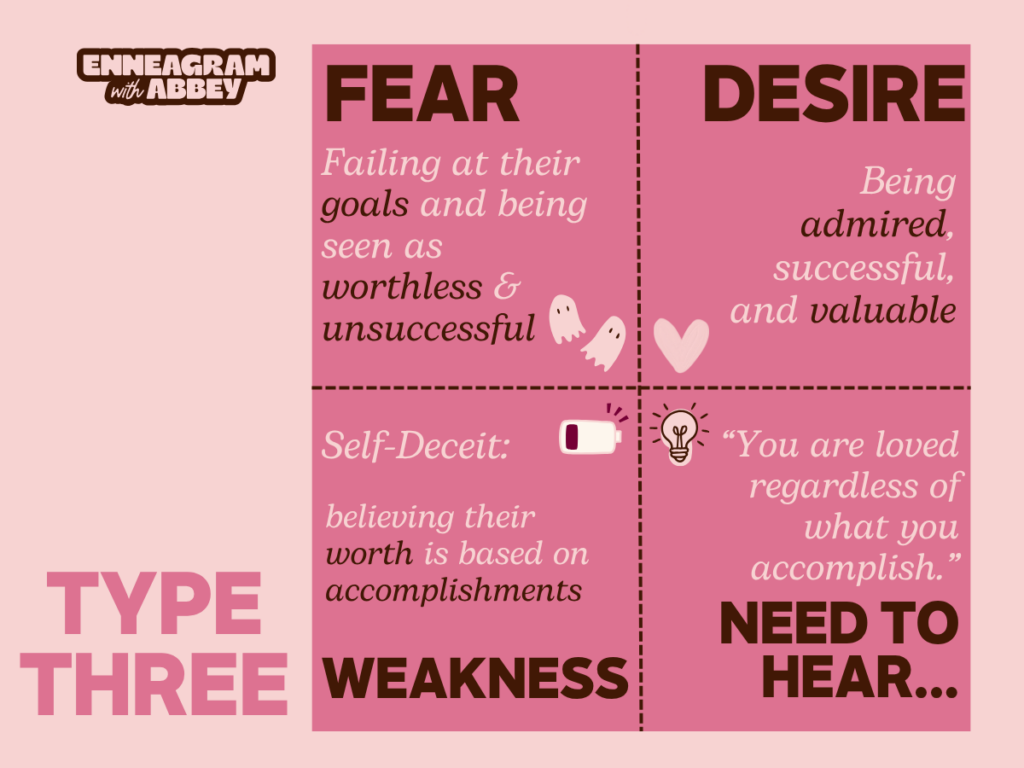
- Core Desire: Being admired, successful, and valuable
- Core Fear: Failing at their goals and being seen as worthless and unsuccessful
- Core Weakness: Deceit — believing their worth is based on accomplishments
Enneagram Four Core Motivations
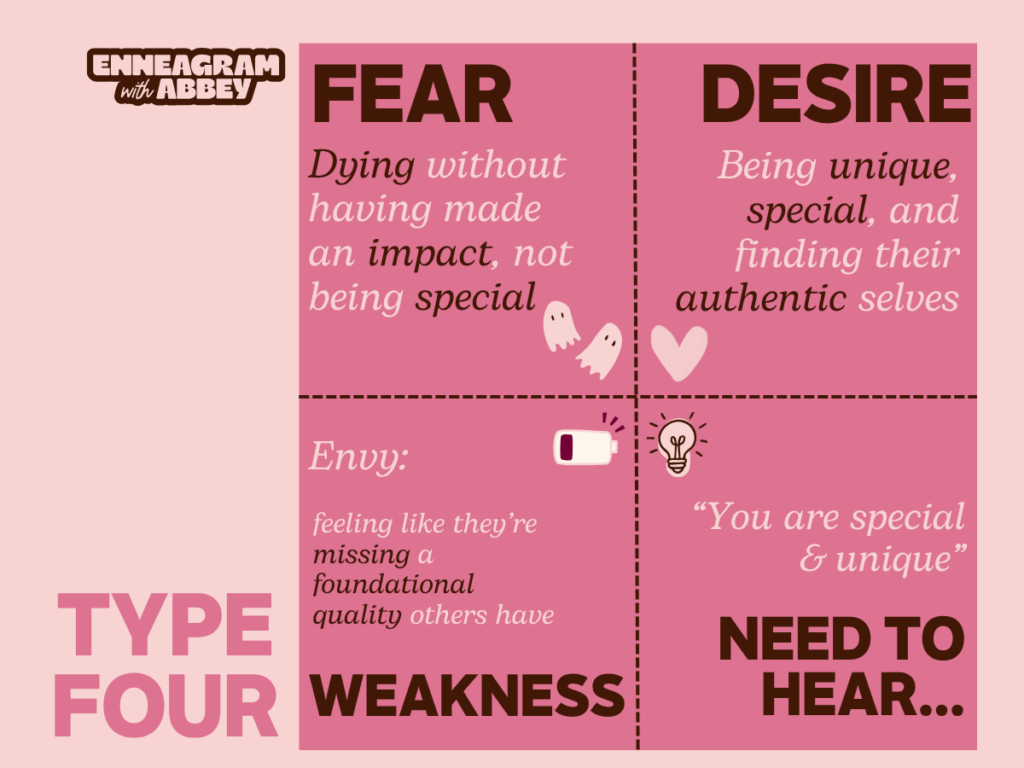
- Core Desire: Being unique, special, and finding their authentic selves
- Core Fear: Dying without having made an impact; not being special
- Core Weakness: Envy — feeling like they’re missing a foundational quality others have
Enneagram Five Core Motivations
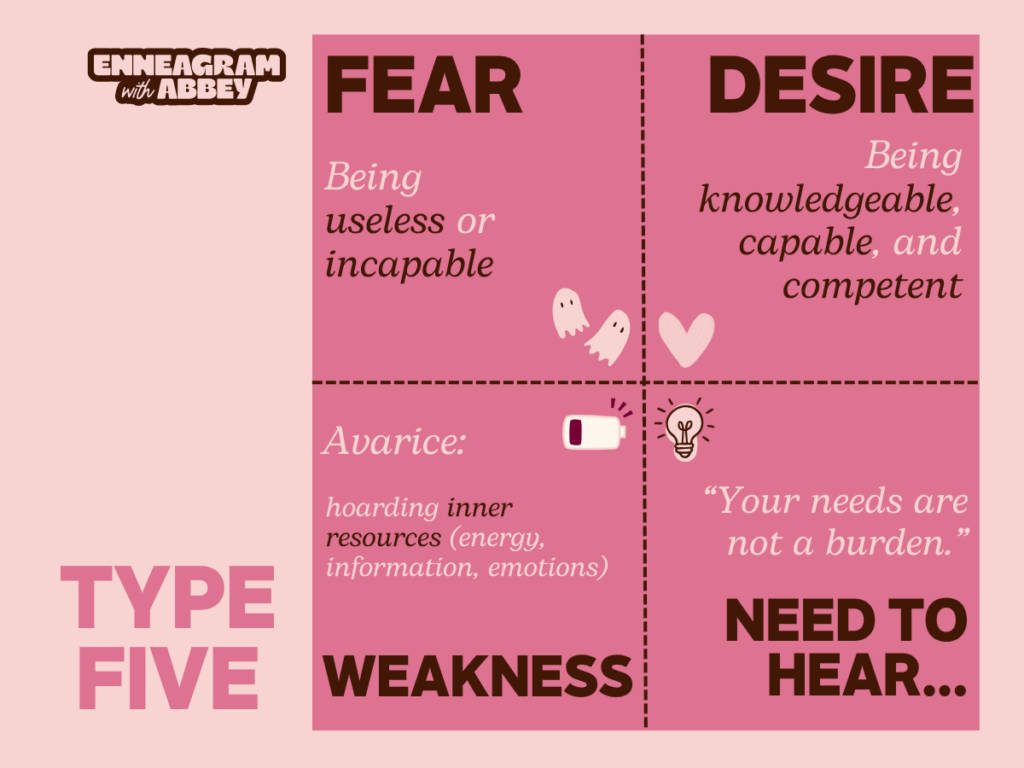
- Core Desire: Being knowledgeable, capable, and competent
- Core Fear: Being useless or incapable
- Core Weakness: Avarice — hoarding inner resources (energy, information, emotions)
Enneagram Six Core Motivations
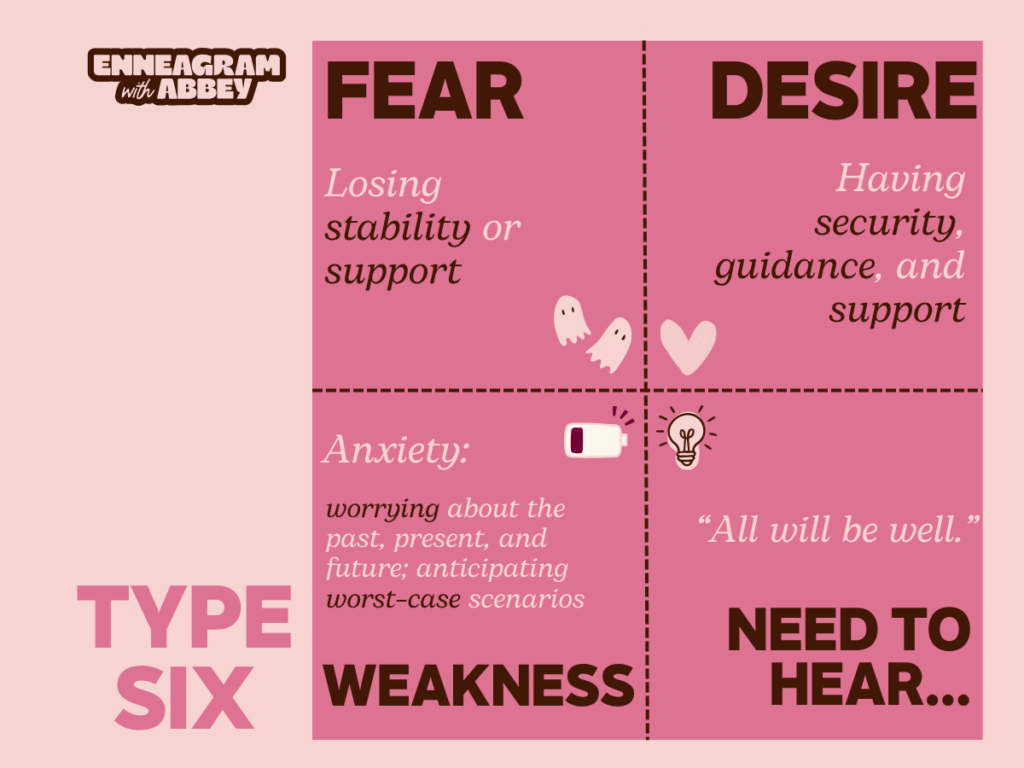
- Core Desire: Having security, guidance, and support
- Core Fear: Losing stability or support
- Core Weakness: Anxiety — anticipating worst‑case scenarios
Enneagram Seven Core Motivations
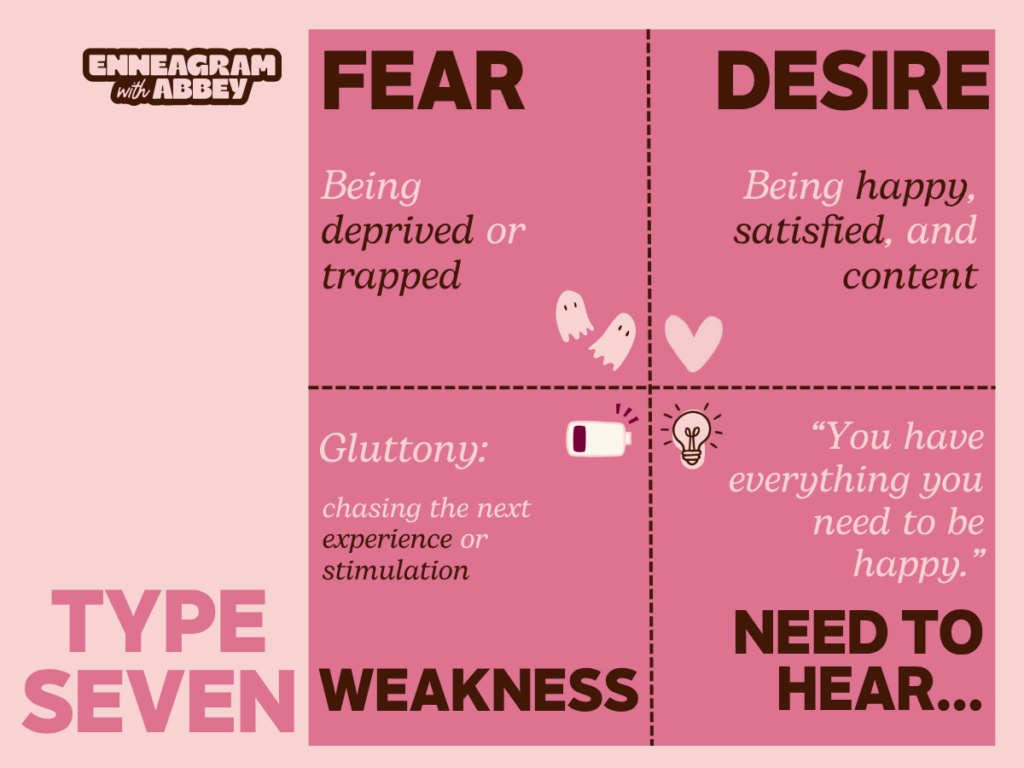
- Core Desire: Being happy, satisfied, and content
- Core Fear: Being deprived or missing out
- Core Weakness: Gluttony — chasing the next experience or stimulation
Enneagram Eight Core Motivations
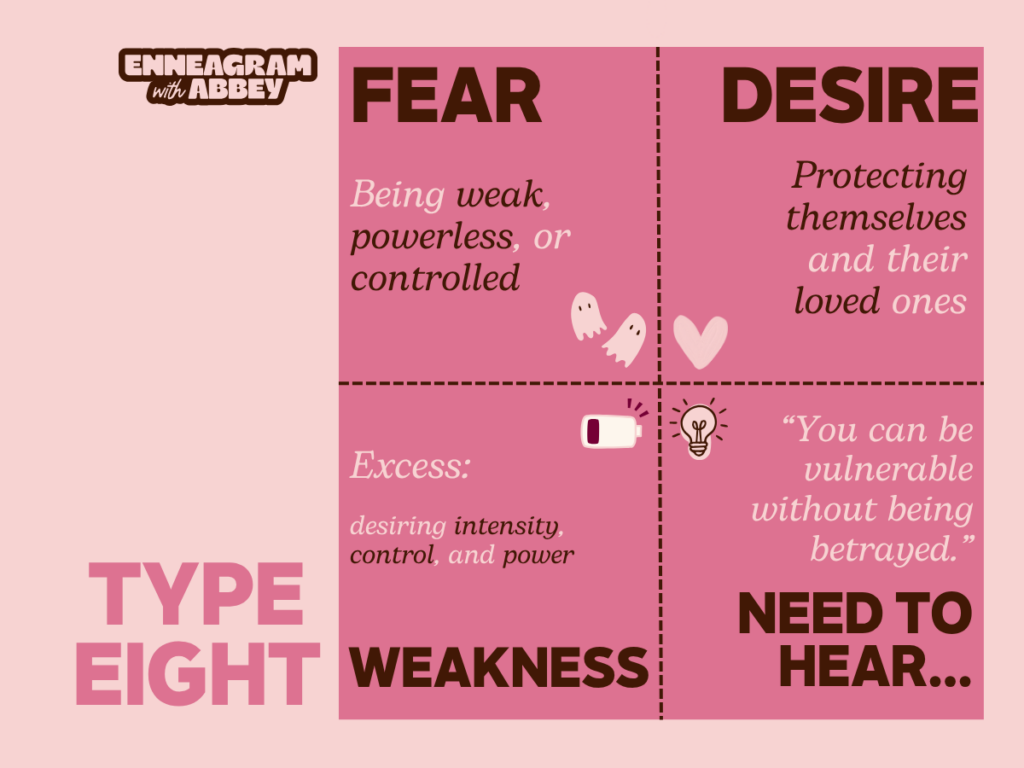
- Core Desire: Protecting themselves and their loved ones
- Core Fear: Being weak, powerless, or controlled
- Core Weakness: Excess/Lust — desiring intensity, control, and power
Enneagram Nine Core Motivations
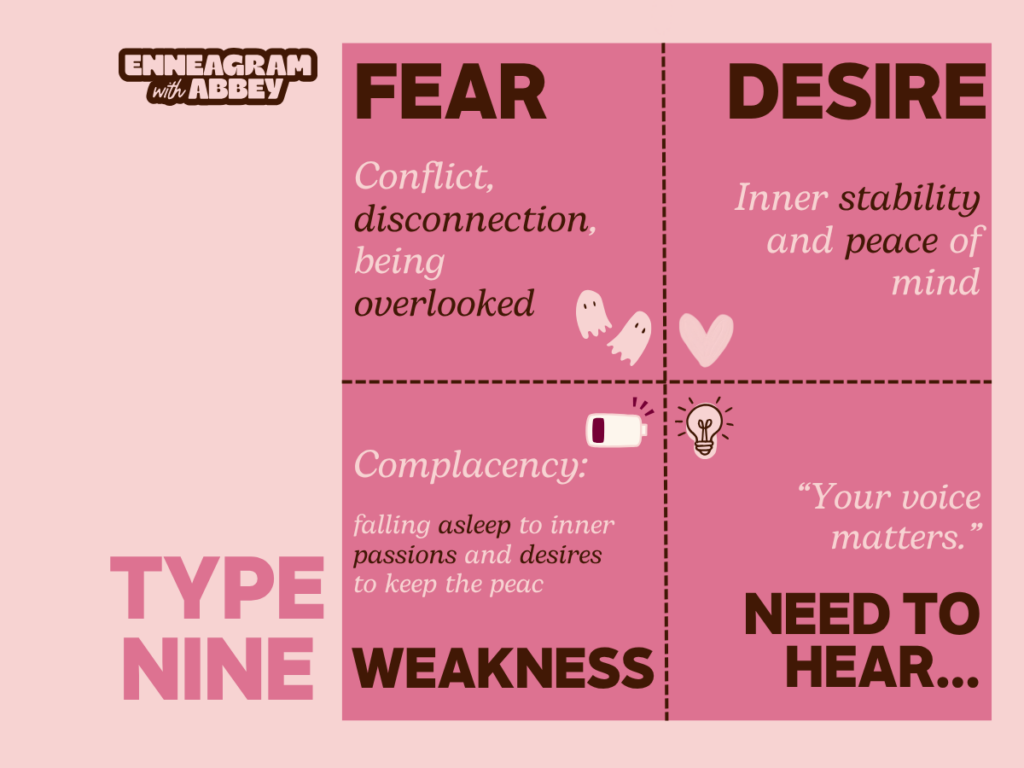
- Core Desire: Inner stability and peace of mind
- Core Fear: Conflict, disconnection, being overlooked
- Core Weakness: Complacency — numbing desires to keep the peace
There is no worst number. The one that makes you squirm is usually the one that hits closest to home.
Closing Thought
Understanding your core motivation isn’t about labeling yourself — it’s about freeing yourself. It’s about seeing the truth beneath your behavior so you can grow with compassion instead of comparison.
And honestly? It’s one of the reasons I love teaching the Enneagram so much. It gives us language for the things we feel but can’t always articulate.
Further Resources to Explore Your Core Motivation
If you want to keep exploring why you do what you do, these curated articles, videos, and tools will help you deepen your understanding of core motivations, fears, and instinctual patterns.
Understand Your Motivation (Articles + Guides)
- The 9 Enneagram Types In-Depth — a deeper look at each type’s core fear, desire, and behavioral patterns.
- Enneagram Wings Explained — how your wing influences how your motivation shows up in daily life.
- Core Motivations of the 9 Types — You’re not your behavior: understanding your core motivations.
- What Steak Shows us About our Motivations — Why we do what we do.
- The Zombie Apocalypse is Here — What do you do? (according to your motivations)
- Subtypes Guide — free PDF explaining the three instinctual drives that shape your reactions, stress responses, and priorities.
Watch & Learn (Video)
- So, We’re All Emotionally Messy (YouTube) — a breakdown of the Triads and how they shape your instinctive reactions (including steak‑ordering and zombie‑apocalypse behavior).
- The Core Fear of Every Enneagram Type — a practical look at the subtle fears that drive your choices, habits, and stress patterns.
- Enneagram Types Explained Through Procrastination — it’s less about laziness and more about motivation, fear, and how you’re wired.
Listen & Learn (Podcasts)
- Understanding the Enneagram — over 8 hours of teaching on core motivations, stress behaviors, and how to identify your true type.
Find Your Type (Quizzes + Typing Tools)
- Free Online Enneagram Test — answer the questions and I’ll email you your results (no carrier pigeons available, unfortunately).
- Typing Guide — a step‑by‑step PDF to help you determine your type using motivation rather than behavior.
- Enneagram Triads — use your emotional center to narrow down your number.
Go Deeper (Books)
- My Enneagram: A Visual Guide to Find Your Personality Type, Stress Less, and Live Your Dreams
- How to find your Enneagram type—including not one but two quizzes that go way deeper than any cookie-cutter online quiz will go.
- How to use the Enneagram to identify your biggest areas of growth.
- Tips, tricks, and exercises to setting your goals—and achieving them!
- How the Enneagram can improve communication between you and the closest people in your life.
- The Road Back to You — A classic introduction to the Enneagram that helps you identify the “why” behind your patterns.


